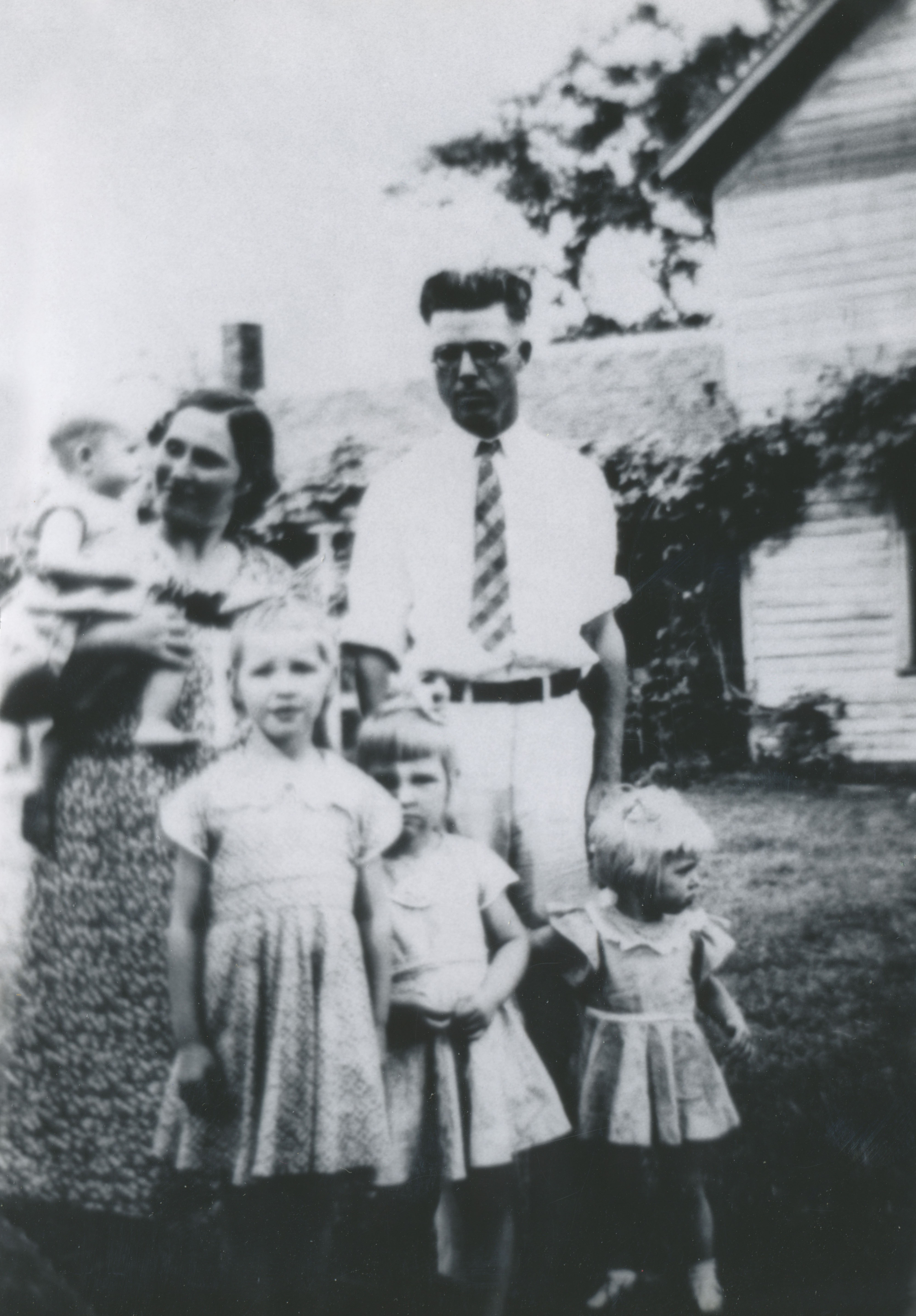
Here is a photo of my mom’s family toward the end of the Depression. The Depression officially started on October 27, 1929, and lasted for about a decade. My grandparents Fred Bucklin and Myrtle Phenice must have been dating when it started, because they were married a few months later on Mar. 12, 1930.
Bucklin family of Hathaway circa 1938
This photo was taken around 1938. I base this on the fact that the youngest one in the photo is aunt Loris who was born at the end of August in 1937. She looks to me to be a few months old. Grandma and Grandpa would have been in their early thirties at this point. The girls in the front (starting with the oldest on the left) are Sylvia at age 7, Betty Lou at age 5, and little Alma at age 2.
It looks like Betty Lou is a bit shy and is hiding behind her big sister. It reminds me of a photo of our family when we were young and Jamie is doing the same thing next to me. I wonder what Alma was distracted by.
It’s not a professional photo, but like I said at the beginning, it was during hard times. Grandpa was a nurseryman during this time and grandma helped him out with that. I know they didn’t have a lot of money at the time because my mom talked about how special it was that her cousin had a ‘real’ doll to play with. Obviously this means that my mom and her sisters did not have store-bought dolls to play with during this time.
But things were different back then. People were not used to the prosperity that seems so prevalent now. The family seemed to deal with it all pretty well. My mom was quite frugal all her life. It really wasn’t necessary for her to tape up ziploc bags to store things in her purse! But she couldn’t be persuaded. She should be named the patron saint of recycling!
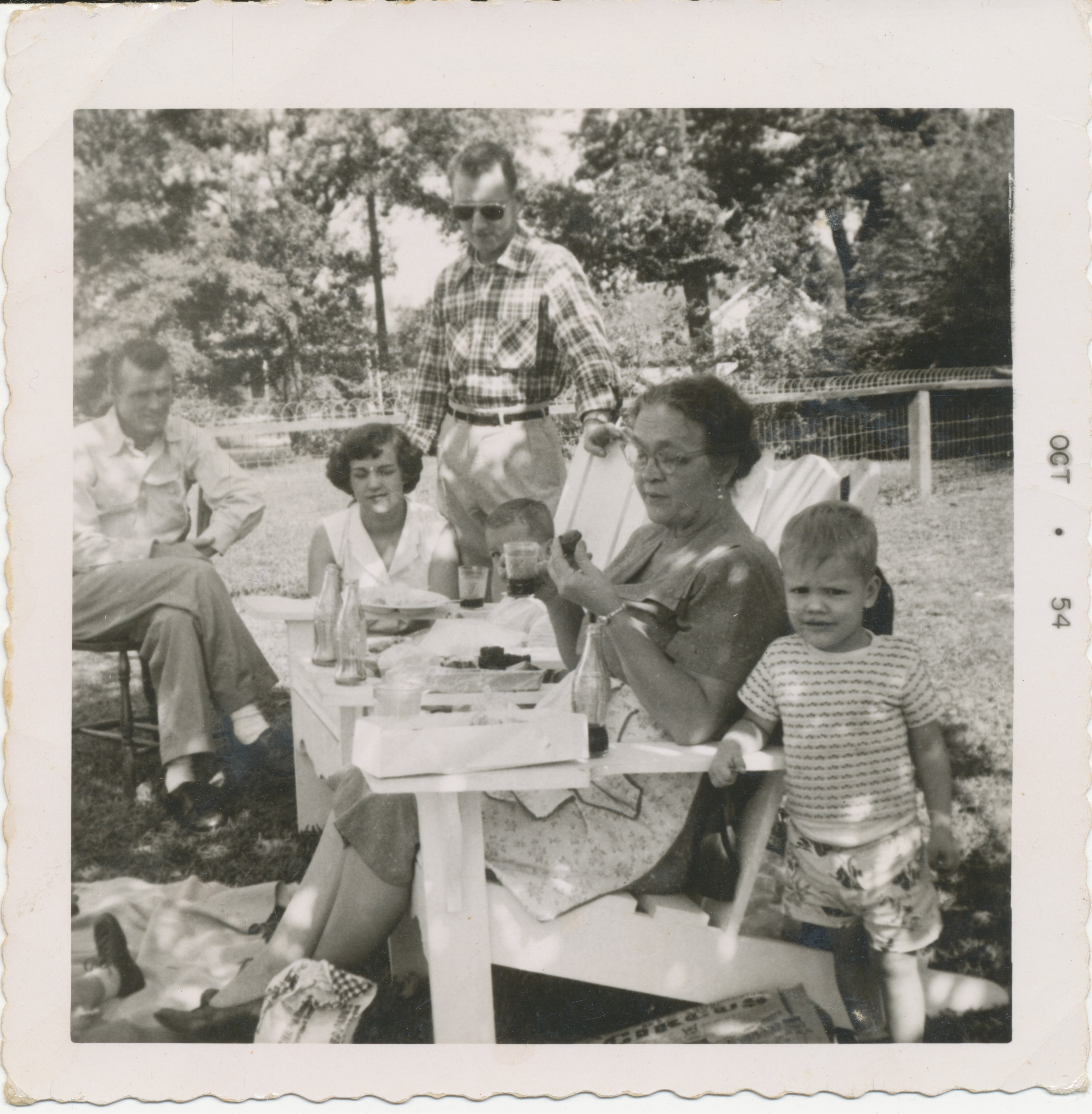
I’m not really sure about the circumstances of this picnic. But for some reason the photos and the writing on the back of them has captured my attention. At least for now! As much as I like old photos of my ancestors, the addition of seeing their handwriting in letters or on photos is a nice bonus.
These photos were taken around this time of year, but they were from 63 years ago. The exact date was October 17, 1954. This first photo shows uncle Duffy, my cousin Douglas Winn, my Mee Maw (paternal grandmother Germaine Erie Patureau Landry), another cousin Dennis Landry, uncle Joe Raley, and aunt Frances Raley. The little girl sitting on the blanket in the front is not identified. I’m thinking it is another cousin Daphne Winn, because she looks to be too young to be The First (Shirley Landry) who would have been seven at the time. It’s Mee Maw’s writing on the back, because as you can see, she labels herself as ‘me.’
The grand occasion for this picnic was named on the photo. It reads, “The St. Huberts (sp) Bazaar was held in Prejean’s pasture, so we went to Wana’s and I had a picnic in her back yard with children. But we never could get them all together.” I’m not sure if the Bazaar was canceled or it was just close to Wana’s house, but Mee Maw must have decided it was the perfect day for a picnic at her daughter’s house. And those disagreeable children would not behave and get together for a group photo. But we have the photos nonetheless to memorialize that outstanding picnic from years gone by.
This other photo is obviously from the same day. But it was written by one of Mee Maw’s children. (Hence the naming of Mee Maw as ‘Mama’ on the back of the photo.) In this photo you see Duffy, Frances, Joe, Douglas, Mee Maw, and Dennis. Even though the photo doesn’t mention it, you can also see the legs of the little girl on the blanket that I call Daphne. (I’m sure Daphne has this photo with all the names on it too, but hers probably has her name written on it! Unless of course, it is not Daphne.)
I like other details of the photo as well. You can see the bottles of Coca-Cola on the blanket. No canned sodas back then! No red Solo cup either. And Mee Maw was prepared, too. She had a box of Cut Rite wax paper in her lap in case there were leftovers to save for later.
Oh, well, that’s it. Just a short little picnic in Wana’s back yard. Nothing fancy. Nothing really important. Not much to write about when you think about it. But sometimes it’s those simple things that can be cherished the most. What any one of her grandkids wouldn’t give to be able to have a nice little October picnic in their back yard with their beloved Mee Maw.
I wasn’t sure what I was going to write about today, but then I saw a photo of my cousin Julie Phenice Campbell at Ford’s Theatre in Washington, DC. I made a few comments and then realized that I hadn’t gone into the details of my great great grandfather’s Civil War experience. So I’ve decided that the time is now. Plus I have a really cool photo of him that I obtained this year.
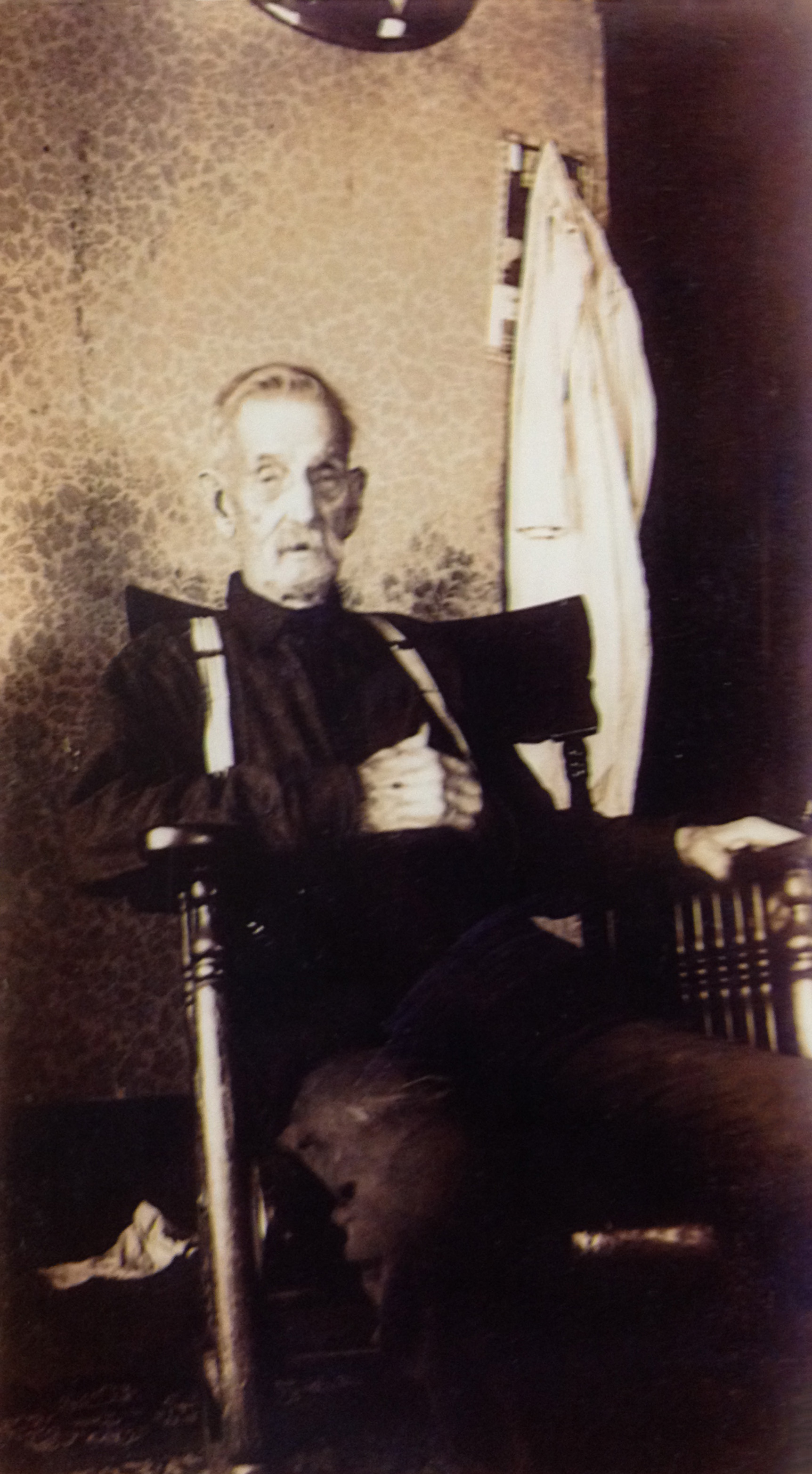
Samuel Charles Phenice in his elder years.
Isn’t this a cool photo of an old grizzled man? This is Samuel Charles Phenice later in his life. (He was the father of Harry Clifton Phenice, who was the father of Myrtle Phenice Bucklin, who was the mother of Betty Lou Bucklin Landry, who was my mother.) He lived to the ripe old age of 95. Any time I hear the question, “If you could visit one of your ancestors to have a conversation with them, who would it be?” I always think of the man in this photo. So many questions that I would like to have answers to. So much wishful thinking. Let me tell you what I do know.
Samuel Charles Phenice was born in Mercer County, Pennsylvania, on April 19, 1844. He was the fourth of seven children to Daniel Phenice and Susan Jackson Phenice. The family must have stayed in that area during his childhood, because when he enrolled to fight in the Civil War, he would become part of the 57th regiment of the Pennsylvania Infantry out of Mercer County. He was a private in Company F.
According to a document I found, the 57th regiment went on furlough on Jan. 8, 1864, for a period of 49 days. When the soldiers returned to camp, there were a large number of new recruits. Among those recruits was Samuel Charles Phenice, who had enlisted on Feb. 12, 1864. During March they became part of the 2nd Brigade, which was composed of units from Pennsylvania, New York, and Maine. In April Samuel celebrated his 20th birthday, though he was quoted as saying that he suffered “many hardships, hunger and thirst.” Maybe a not-so-happy birthday.
On May the 3rd of that year, Samuel and his fellow soldiers marched to Chancellorsville, Virginia. This is close to Spotsylvania and there were many skirmishes going on in the area. The 57th, along with other Union troops, advanced along country roads and woods. In one particularly wooded area on the morning of May 5th, Confederate forces were encountered and frenzied fighting took place. The fighting was at short range (when you could see your enemies behind the trees) and was vicious, yet brief. There were twenty-two killed, one hundred twenty-eight injured, and three missing.
Among those injured at the “Battle of the Wilderness” was 20-year-old Samuel Phenice. He was shot in the left thigh – more specifically the “inner aspect of the thigh and about the middle of the thigh.” Part of the information about the wound was gotten from a medical report from 1915 that reports that complications of varicosity of his leg was a direct result from the wounds received during the War.
Civil War hospital in the Spotsylvania, Virginia, area after the Battle of the Wilderness in 1864. (I found this photo online.)
After he was wounded, Samuel spent a while recuperating. He went to a place that was probably very similar to what you see in this photo. It is a photo of a makeshift infirmary in the Spotsylvania area after the Battle of the Wilderness. I don’t recognize Samuel in the photo, but there is no way to make out some of these people. On May 24, 1864, he was a patient at Carver General Hospital in Washington, DC. A week later he was transferred to Haddington in West Philadelphia.
Once he recovered well enough, he became part of the “Invalid Corps” (9th Regiment of the Veterans Reserve Corps) on October 8, 1864. The only posting that I know of was the one on April 14, 1865, at Ford’s Theatre in Washington, DC. And everybody recognizes that place and date. Samuel was stationed at the front of the theater checking passes of military personnel. According to one account Samuel was an eyewitness to John Wilkes Booth’s entering the presidential box and shooting President Abraham Lincoln. He also was a witness to the flight of the assassin. So my great great grandfather was present at one of the defining moments in American history.
Samuel was honorably discharged from the military on July 5, 1865. Though he would get married and raise a family, he would never forget those vivid events that he experienced as a 20-year-old young man. He obviously liked to recall the events, because there are several articles about him speaking about it. One says “Phenice often recalled the wild scenes in the theater after the shooting.”
Oh, to be able to hear those stories in his voice. Like I said at the start of this story, I would love to be able to pull up to Great Great Grandpa Samuel’s rocking chair and say, “Grandpa, tell me ’bout the good ol’ days.” My excitement would build as he’d rock back with a grin on his face and say, “Well, now, young man, that may take me a while…”
You have to be careful when you talk about my father’s maternal grandmother. Not that she’ll get mad at you or anything, it’s just that the name Marie Therese is very popular in our family. Not only did my great grandmother have the name, but so did my dad’s sister (Aunt Marie), one of his first cousins (Sis – thanks again for providing this new and improved photo of your namesake!), and one of my second cousins (Therese). And there are a few other more distant cousins with the same name too.
Marie Therese Landry circa 1888. She was the mother of my Mee Maw.
This Marie Therese was born in 1868 to Trasimond Landry and his wife Marie Amelie “Belite” Bujol Landry in Brusly, Louisiana. She was the first child born to that union. According to the book “The Tirailleurs”, Trasimond and Belite began courting during the Civil War. I guess you can call it courting even though he was fighting in a war. They saw each other on an occasional leave and then corresponded by letters. Belite was one of four beautiful daughters of widow Bujol, and Trasimond was particularly partial to her tender charms.
Trasimond and Belite were married after the war on Nov. 30, 1867. Ten months later came along our little Marie Therese. Over the next eight years two sisters and two brothers joined her. They lived on a farm at first, but then Trasimond gave up farming and became a teacher and took on some minor roles in politics. He died when Marie Therese was only eleven years old, so I’m sure she helped her mother out with the younger children. Belite married Magloire Babin in 1880, which led to two younger half-sisters for Marie Therese. I don’t have much more information about the next few years.
I do know that Marie Therese married Vincent Maximilian Patureau on Oct. 10, 1888, in Brusly, but afterwards they were living in Plaquemine on Patureau Lane. I don’t know how they met, but it was probably through the family. They were cousins after all! Hey, if her parents did it, why not her? It was the custom back then. Ten months after they were married, Marie Therese and Max welcomed their first child into the world. They went on to have many more children – and lose a few – until our Marie Therese died on October 4, 1909, at the young age of 41. The anniversary is just a few days off. So think about her on her anniversary, whether your name is Marie Therese or not!
When I was growing up I always thought my mom’s side of the the family was German and English. For some reason I always assumed that the German came from the Bucklin line of the family. When I was in high school, I took on the task of reading (and recording on cassette tape) my great grandfather Louis Charles Bucklin’s journal from 1893. This was for the benefit of my grandfather Fred Bucklin because he had vision problems. (Note from Sept. 21, 2019: For the first time I’m thinking this might have also been a way my grandfather tried to get me interested in his own family history. The journal was his father’s and it had been around all of his life.)
I remember coming across an entry where he talks about a man from Ohio (with two of the “finest daughters“) who asks him if he was German. Lou tells him “No, I am an Irishman.” When I read that, I thought that he was lying to the man from Ohio to put him off because he was not interested. I just knew that he was German and not Irish. But I was wrong. His mother was a full blooded Irish woman with the last name of McGrath and the Bucklins are of English descent.
But Lou’s wife Addie Hine’s family line (my Grandpa Fred’s mother Addie Hine), on the other hand, is German. I’ve come across some information recently that makes me much more certain of the line that goes back to Germany. Since I don’t have a photo of the Hein family that immigrated from Germany to the US (it was in 1753 after all), I am posting a photo of the Hine family just before they immigrated to Louisiana in 1894.
Hine family in 1892 in Boone County, Indiana. From left to right is Rowe, Jim, George, Ollie, Addie, Susan, Bert, and Lonnie. (Could the dog be Sammy?)
This is the George Henry Hine family in Boone County, Indiana, in 1892. As you can see, it is a very rustic existence with a log cabin. All of the family was born in Indiana. But they were born in Noblesville, Indiana, which is in the neighboring county of Hamilton. I know that George’s wife Susan Stanbrough Hine’s family was from the Noblesville area. But I just recently found that George had some family members living in Boone County.
In a previous post I talked about how I discovered that George’s mom Malina’s maiden name was Cox. Now I’ve discovered that Malina’s father’s name was Benjamin Cox. I found a will for him that is from Boone County at his death in 1877. It lists a daughter by the name of Maline Cox Hines. Don’t be concerned with the spelling, like I said before, they did not have the Myrtle Phenice spelling gene! His history shows him as being from North Carolina, which is where Malina was born. It all fits together nicely. It also might explain why the family moved from Hamilton County to Boone County.
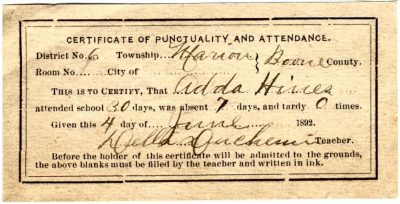
George was born in Hamilton county in 1846 (and died in 1919) and showed up with the family there through the 1870 census. Then the family shows up in Boone County in the 1880 census. They stayed there until they moved to Louisiana in 1894. In the meantime the kids were going to school, as can be evidenced by this certificate that Addie received for attendance that was dated June 4, 1892.
So let me take you back to Germany along the Hine line. George’s father was John Peter Hine (1819-1900). He was the first in this line to use the more English spelling of Hine rather than the German spelling of Hein. It looks like the extended family did likewise. Some of the later generations also changed the spelling to Hines, but our family line stuck with Hine. John Peter was born in Bethabara, North Carolina, and moved to Indiana in 1841.
John Peter’s father was Peter Hein. He was born in 1794 in Bethabara, North Carolina, and lived his whole life in Forsyth County, North Carolina. He died a few months after the birth of John Peter. (Actually he died before the birth of John Peter. I should pay a little closer attention to the dates! For more information, read Becoming a Father Posthumously) This explains why John Peter was his only child. All of the other generations had at least five children.
Peter’s father was Johannes or John Hein (1749-1806). He immigrated with his father Johann Jacob Hein (1713-1795) in October of 1753 from Germany. They were both born in Dillenburg, Germany, and when they immigrated, they originally settled in Broad Bay, Maine. Then in 1770 they moved with a group of 300 people to a Moravian settlement in what is now Forsyth County, North Carolina.
John Hein was the son of Jacob’s first wife who died in Germany. Jacob remarried in 1752 and immigrated with his new wife and his children in 1753. They were part of the Moravian church. The church had many missions and settlements in the New World. One of those settlements was Bethabara, which is where the Hein family settled in 1770. Johann Jacob Hein died in 1795 and is buried in the Friedland Moravian God’s Acre. His legacy carries on.
Surely you couldn’t think that I had finished my series of Music in the Family without shining the spotlight on my dad? His whole life was practically about music. His career, his hobbies, and interests were mostly centered around music. It was the only “other woman” that my mom had to worry about! It took more time away from her than she liked at times.
My dad was involved in choral music, band music, and barbershop singing. If anybody was interested in music and had a question or needed help, Bob Landry was willing to help. It didn’t matter about your heritage, race, sex, or social status, he gave his time freely, which sometimes bothered my mom. At times she struggled to makes ends meet on the salary of a band teacher and some of those people he was helping could afford to be paying for private lessons! But my dad couldn’t be bothered. Music was the important thing!
Newspaper article circa Aug. 1963
I just came across this article from around August of 1963 when I was looking for photos for this post. I didn’t even know it existed, but it has a lot of information in it that I was wanting to know. It tells about the history of my dad’s musical experiences just prior to beginning work in the band and choral programs in Jefferson Davis Parish. He taught for two years in Elton and then moved on to Jennings at Northside Junior High School where he would make his mark on so many people in Jennings through the years.
The article indicates that Daddy began learning band instruments his freshman year at Landry Memorial High School in Lake Charles under the direction of Eddie See. This was around 1942 and the two of them would have a long history together. (Such as creating the McNeese fight song “Jolie Blon”) During high school my dad learned many various instruments and even taught other students during his senior year.
McNeese band circa 1947
After high school he went to McNeese and was in the band there. This is a photo of the McNeese band in 1947. Bob – or Pluto as he was known by many back then – can be seen on the far right of the photo with a baritone.
I know that about this same time is when my dad began to get involved with barbershop singing. He was a member of the Society for the Preservation and Encouragement of Barber Shop Quartet Singing in America or SPEBSQSA for short. Growing up in the Landry household meant that you knew these letters and what they stood for!
Bob and Betty Landry played baritone for McNeese. They can be seen in the upper left of the photo. Bob on the left, Betty in the middle, and third baritone on the right.
Daddy’s college career included stints at Lafayette and Baton Rouge. It was in Baton Rouge that he met my mom when she visited the campus for a solo and ensemble festival in 1950. He returned to McNeese when it became a four year school and my mom started college that same year. My dad was the first student at McNeese to play a senior recital in 1951. This photo is a photo I scanned from the McNeese yearbook that shows the band performing in the auditorium. You can see mom and dad in the upper left part of the photo. Who would have guessed that they’d be making music together for 65 more years after that?
Daddy was in the first graduating class from McNeese in 1952 and then went on to join the Air Force. While there, he was in the Air Force band. Shortly after that he and my mom were married and started a family. Jodie was born in California and Rob was born in Albuquerque while he was in the Air Force. They moved back to Lake Charles where Karen, Al, Van (me), and Jamie were born. Daddy continued his educational pursuits and earned his Master’s Degree from LSU in 1962
1966 summer band program at Northside
As I said earlier, he began teaching at Northside in 1965. I have so many memories from those early years of the band program. He had the summer band program in the old Northside gym. It was before there was air conditioning in the building, so it could get rather warm in there with all those little bodies running around and singing with their warm little breaths! They had classrooms on the side of the gym and we would meet in there to sing and play as the big fan in front of the classroom would swing back and forth. We young kids would play the ukulele and the older ones would graduate to guitar and bass. And oh the songs we’d sing: This Land is Your Land, Five Foot Two, Down in the Valley, Red Sails in the Sunset, The Ballad of the Green Beret, Cuando Calienta el Sol, Mobile, and many many more. (One of those songs was Swinging Shepherd Blues with my sister Jodie and her friend Stella Duvall playing a flute duet.)
Barbershop quartet The Crawdads – Bob Landry, Oran Richard, Steve Coco, and Nathan Avant circa 1968
During this time Daddy was also continuing his involvement with barbershop. He would always have a barbershop quartet, plus he would work with the chorus in Lafayette or Jennings. This photo is from around 1968 and includes Bob Landry, Oran Richard, Steve Coco, and Nathan Avant. This group was called the Crawdads, and there were the BoBobAlNicks, the Pride of the Marsh, and many other quartets. I should remember more and will recognize many of them that people mention to me from time to time. And some of the people in the quartets should be mentioned: Al Cassidy, Rusty Cassidy, John McBurney, Bobby Henry, Nick Pizzolatto, Steven Comeaux, George Smith, Doc McGregor, and again many more that I should remember!
Pam Jones, Bob Landry, and John McZeal at the band drive at Northside.
One of the big events at Northside over the years was the instrument drive in the new band room (with air conditioning!) with the help of Swicegood’s Music and Orville Kelly. Bright, young students with an interest in band would show up to see where they might fit into this celebrated band program in Jennings. Daddy would assess the interest of the kids and see what instrument might be the best fit for the individual. Some people just didn’t have the right embouchure for certain instruments. I remember that he also gave a music aptitude test to the students at some point. I will now admit that I was always jealous of the fact that Damon Cormier made a 100 on that test and I didn’t. Let’s not speak of this ever again.
1967 Northside band party – siblings Karen in foreground in front of Jodie, behind them is Rob in blue shirt, me (Van) with elbow covering my forehead, and Al in red block shirt next to me.
The other yearly event for the Northside band was the band party that was held at our house on Lucy Street. All the kids would come over to our house and wreak havoc. Thank goodness there was a large empty lot across the street for playing games like horseshoes and such in addition to the basketball goal we had in our driveway. My mom would always provide the refreshments for the party. My absolute favorite memory of those refreshments was when we made some special sugar cookies. We shaped them like snakes, put cross hatches on the bodies to look like scales, and gave them eyes made out of red hots! They were a big hit. I especially enjoyed the parties when I was younger because I got to hang out with the big kids likes Celia Joe Black.
1970s – Bob Landry playing upright bass with the MoodMasters
Then the mid 70s came around and there was lots of playing music for dances and such. Not any of that “rock and roll trash” that was saturating the airways, but good music. Needless to say, my dad was not a fan of rock and roll. I remember even earlier when the Beatles were on the Ed Sullivan show and my dad had me turn down the volume on the TV so we would not have to listen to them. (Yes, I was the remote for the TV at the time. I’m that old!)
Landry Family Band circa 1977
Daddy played many different instruments and with many different people (Such as the Moodmasters shown in the above photo. Bob Landry on bass.) But then there came a great thought – let’s have a family band. And with that the Landry Family Band came into being. And of course our most recognizable gig was the five years we played at Shakey’s Pizza Parlor in Lake Charles. Yes, you may remember us from the Food Fest at the Contraband Days or at the many receptions that we played, but we will be forever linked to pizzas (like the Bill’s special or Hawaiian Delight) and those famous spuds. The glory never fades! This photo is from Shakey’s. Some of you may remember the infamous “Dueling Jugs” played by Bob and Jamie Landry. Different instruments for sure!
1996 at the train station in Hammond, LA. The Landry family is always ready to sing a song or two.
Daddy retired from teaching in the mid 80s but continued to incorporate music in all aspects of his life. He and mom sang at church, at ‘old folks homes’, and for many years they danced ’round dances’ to their favorite styles of music. They also passed some of that musical knowledge on to their grandchildren. When the family took a train to Chicago in 1996 for my brother Al’s wedding, we had a little time to wait at the station for the train to arrive. We didn’t waste time doing nothing while we waited, we took out our song books and instruments and sang a few tunes! Isn’t that what everyone does? The picture is proof!
2015 – Bob and Betty introduced themselves to their new community at Brookdale by way of playing and singing a song or two.
Even into their golden years they were singing and playing everywhere they went. During their last years in Jennings, they had a ukulele group that played at churches and nursing homes. For many years they played at the War Vets home the first Wednesday of the month. When they moved into Brookdale in August of 2015, one of the first things they did was go to the piano and play a few songs for their new neighbors. As you can see, their love for music was a bright spot in people’s lives. They continued sharing this as long as they could.
When my parents died in January of this year, my siblings and I decided to put together a fund that would help people to act on their interest in music. It’s called the Bob Landry Life of Music Award and it will purchase band instruments for the school in Jennings where he taught. The first purchase will be a flute, a trumpet, a clarinet, another trumpet, a trombone, and another flute – the instruments that the Landry kids played. If you would like to contribute to this memorial fund, monies can be sent to the Jeff Davis Bank, P. O. Box 820, Jennings, LA 70546.
Or you could just think of him from time to time when you are enjoying your favorite song.
As I have said previously, there have been a lot of musical members of our family/families. My family was known as a musical family since before I was born. If you have been reading my Music in the Family Series, you would also know that there were musical family members before my parents were born as well. So this week I’ll take you back even further. Further than all of my other postings in this series. Let’s go back to the 1840s.
The musical information comes from the 1840s, but the individual I’m talking about was born in 1822. That’s right! Almost 200 years ago, my great great grandfather Henry Keys was born in Chipping Ongar, Essex, England, to George and Elizabeth Crouchman Keys. The date was April 12th and he was not alone. He had an identical twin brother named James.
April 11, 1840 – Apprenticeship contract for Henry Keys to tinman John Wright
The day before Henry became 18 years old (in 1840) he entered into a contract of apprenticeship with a tin plate worker (aka a tinman) named John Wright. The contract was for a period of three years and was signed by Henry Keys, George Keys, and John Wright. (Pretty cool to see the signature of my great, great, great grandfather.)
The day before Henry became 21 years old (1843) he completed his apprenticeship and became a Tinman. (He did not have a friend named Oz. At least there is no record of anyone by that name giving him anything!) But the most relevant part of the completion of his apprenticeship is that he rewarded himself for the accomplishment. He had saved up money during these three years and the cherished reward that he bought himself was a violin. It shows you what was important to him.
As a bachelor for twenty-six years, he worked as a tin plate worker making gas meters. I’m sure he was also playing his violin during this time, but there really isn’t much else written about this period in his life. It was on November 8, 1869, that he married Martha Ann Cook on her 33rd birthday. She herself was an independent person who had a business of her own making clothes and accessories for children. She must have been a musical person as well, because the only portrait of her shows her standing next to a piano with her hands fiddling with the keys.
I believe this is a photo of a portrait of Henry Keys. I estimated it to be from 1880, but it could be earlier.
By 1881 Henry and Martha had five children together. Another sign that they were a musical family is the fact that the two boys Henry and Alfred sang in a boys choir in London. On at least one occasion they sang with the choir for Queen Victoria. Their daughter Daisy (my great grandmother) was known to play the piano, but I’m not sure when she learned. From the portrait mentioned earlier it looks like there was a piano in the home, so she could have learned as a child in England.
Henry and Martha had family members who moved to America. They decided that they would move the family to America also and began to save money for this new chapter in their life. So again, this must have been something important to them. But sadly, Henry suffered with bronchitis for four months and died at the age of 64 in 1886. He never made it to America where his wife and children would eventually go. But his violin did.
I’ve read accounts of the move to America and they always say “They sold everything they had.” But they didn’t. They held on to a few prized possessions. One of those cherished items was the violin that Henry bought in 1843. When they made it to Louisiana, at some point Martha gave the violin to her son Leonard with the proviso that he would learn to play it, as long as he practiced in the barn! This makes me laugh. It reminds me of my mom. When I was in junior high, I learned how to play many different instruments. My dad was the band director so I could taken them home with me. The only thing my mom discouraged me from playing was the violin. When a person is learning the violin, the notes can be rather screechy in a way that would give mom a headache. I acquiesced.
Leonard James Keys with the violin his father bought in 1843.
And learned the violin Leonard did. But he also learned to play the trombone and flute. His older brother Henry played the violin, clarinet, and flute. I’ve told you that Daisy played the piano. Her husband Harry Phenice played the violin as well. So did the husbands of Daisy’s sisters Ruth and Mabel.
When I was researching this information, I notice there are a lot of descendants who are musicians. It could be that every family has a musician here and there, but it does seem like quite a few in my family. The researching also made me wonder about that old violin from 1843. Is it still around? Does a family member have it? I know that musical instruments can last a long time if taken care of properly.
So I asked my cousin Carolyn (daughter of Edith who provided me with the improved version of the photo/portrait of Henry Keys) if she knew of the whereabouts of that violin. Her grandfather was Leonard Keys, so it is likely to be with her family group somewhere if at all. She let me know that “Yes, indeed!” that violin is still in existence. It is in the possession of her cousin Johnny and he still enjoys playing it! How cool is that!? She sent me this photo of her grandfather Leonard with the cherished violin. A family keepsake that one day I’d like to see in person and photograph.
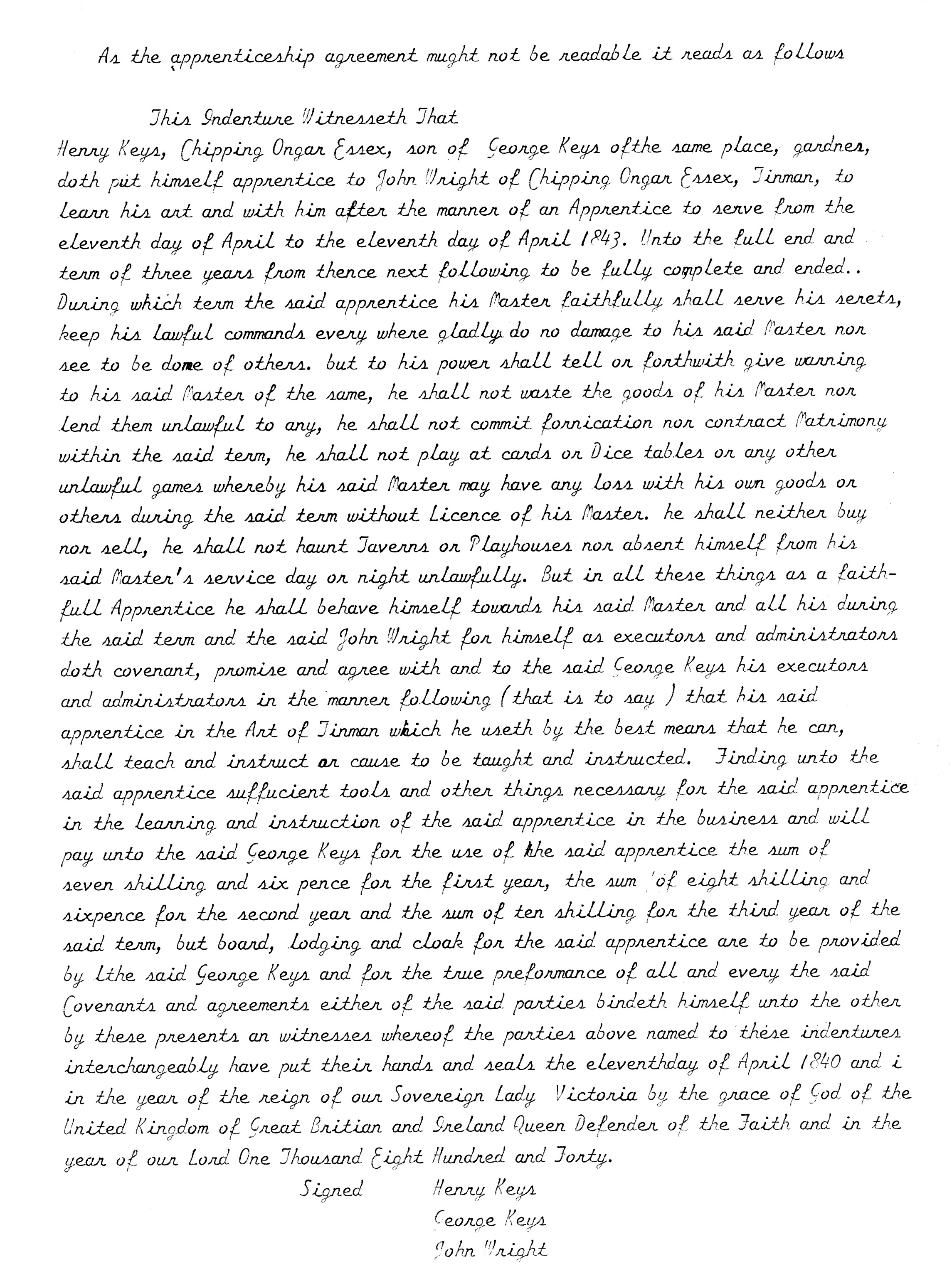
Here is a transcription of the apprenticeship contract of 1840 that came from Edith Keys Segraves’ book.
Every week that I post something about music, my sock monkeys Jacko and Papi have been begging to include them in a post. “After all,” Papi said, “I am the one that taught you how to sing.” I always thought it was my mom and dad. They did do a lot of singing when I was growing up. But I also remember spending time with Papi when I was a kid.
Here is a photo of me with Papi when I was three years old. It sure does look like he may have been singing in my ear! He assured me that he was singing the “Yo! Ho!” song to me. “What?” I asked, “That song wasn’t written until our Reunions Adventure. This picture was taken way before that.”
“I know,” Papi said, “I started the song years ago when I taught Buddiloo to sing.” So now he’s trying to take credit for teaching my mom to sing! I know he was around back then, but I never really know when to trust what he is saying.
“Yes,” he explained, “It was around the time I was coaching Murder to sing for those old recordings you shared with everyone a few weeks ago. I told you that! You never listen to me. Some sock monkey whisperer you are! Hmmph!”
“You weren’t even there back then,” I started, but then I realized that he had been there. I have a picture of him with Mama back in 1938. Jacko shared it with y’all in the Sock Monkeys in the Past post. And the recordings of Grandma (Myrtle Phenice Bucklin, not Murder as Papi incorrectly calls her) were done around 1944 “when those German Nasties were around,” as Papi likes to put it. I’m sure he’s going to take credit for teaching her to play the baritone now. “No,” he said, “She learned that at school. I just sang along with her when we called the cows.” That’s good to know.
So today I’m going to share with you “Papi and Jacko’s Traveling Song.” According to Papi he started it in the 1940s, then he and Jacko added some more verses in 2007, and finally Jacko and I added the last part in that same year. I’m sure some of you will recognize the melody from “The Lonely Goatherd” song from “The Sound of Music.” It’s a rather catchy little song. I hope you enjoy it.
Yo! Ho! Going on Adventures –
Jacko and Papi’s Traveling Song
Long, long ago lived a monkey sock
And a little girl that everyone called Betty Lou.
She played him a song on her baritone
Til the cows all came a-runnin’ with a moo.
They went to church with her Ma and Pa
And sang and gave their Glory Be’s to You Know Who.
She took along little Cyrus sock
Cuz he promised that he wouldn’t throw his poo!
After the service he told them tales
Of many of the places that he’d traveled to.
He made sure that they knew his skills
So they wouldn’t want to put him in a zoo.
Yo, ho! Going on adventures.
Yo, ho! Always on the move.
Yo, ho! Going on adventures.
That’s what I like to do.
Much later on in a different state,
He befriended a sock monkey who was very new.
His little friend took the name Jacko
And Cyrus then became his Papiloo.
Most of the time they stayed at home
With a family of several kids who grew and grew.
They looked forward to summertime
Cuz the fam’ly always went to somewhere new.
Yo, ho! Going on adventures.
Yo, ho! Always on the move.
Yo, ho! Going on adventures.
That’s what we like to do!
All of the kids grew up and left
and the house that they had lived in was too big for two.
The ma and pa got a smaller place
And they decided just one sock would do.
Poor little Jacko was sent away
and Jacko and his Papi had a big boo hoo!
They gave him a tag with an asking price.
At least they didn’t put him in a zoo.
He sat on a shelf with some other socks
as people walked right by with not much else to do.
Kids always grabbed them and pulled their tails
and some of them were taken home in twos.
A man by the name of Van came in,
And he journeyed from the same state as Papi Lou.
With help from above Van and Jacko met
And they became a trav’ling team of two.
Yo, Ho! Going on Adventures.
Yo, Ho! Always on the move.
Yo, Ho! Going on Adventures.
That’s what we like to do!
Not long ago Papi surfed the web
and came upon a story too good to be true.
Though he was old he still liked to see
the adventures of sock monkeys on the move.
There on the screen was his friend Jacko
and he traveled with a man that Papi thought he knew.
When he heard that his name was Van,
he knew it was the son of Buddiloo!
He sent off a note to his friend Jacko
to see about returning to the place he knew.
Jacko and Van came to pick him up
and their reunion was a big todo.
They met up with friends on their way back home,
and Papi hugged and kissed the girls of Rue Cou Cou.
I thought I should have a Keepsake version of Music in the Family. Especially since I was wanting to showcase this instrument for a while. I tried to find photos or audio files of it in action, but no such luck. I do have a few photos of it though. So here you go.
This was my dad’s banjo for many years. He played it at Shakey’s sometimes with the family band in the 1970s, but it has a longer history than that. Daddy left me a document about the banjo that he wrote on January 15, 2005.
Besides playing it with the family band, he also stated that he played it with some Dixieland bands in Lake Charles. He also played it in the orchestra pit with a ‘pit band’ for Lake Charles Little Theater productions. But he wasn’t the first owner of this Vega Four string Tenor banjo.
Vincent Maximilian Patureau, Jr. circa 1922
Daddy inherited it in 1956 when his uncle Vincent Maximilian Patureau, Jr. passed away. Daddy was 27 years old at the time and Uncle Vincent died at the age of 54. He was my Mee Maw’s youngest brother. Uncle Vincent had it for many years and played it with a band in Baton Rouge. That’s about all I know. I’m not sure when he lived in Baton Rouge. Probably in the 1920s and 30s when he was in his twenties and thirties.
Maybe at the age he is in this photo. I got this photo recently from my dad’s cousin. (Thanks again, Sis!) He may have honed his craft for a few years, then decided to buy himself a nice Vega banjo. That would fit with the timeline of when this banjo was produced. According to Daddy the serial number places it as being put together in 1928.
I got the banjo in August of 2015 when we moved my mom and dad into Assisted Living in Lake Charles. I encouraged him to keep it because there was room for it in the apartment that he had, but he wanted me to take it. So I did. I’ve always thought it was a beautiful instrument. And now it’s back in Baton Rouge, where it first came into our family.
The more I look into my family history for references to music, the more I realize how much it plays a part of the family. I had thought at first that the series would be a month long, but now I’m thinking it will probably be close to two months long. And since last week we looked at my dad’s side of the family, this week will be looking at my mom’s side. In particular, the focus will be on my mom’s mom Myrtle Phenice Bucklin. My Grandma.
Myrtle Phenice Bucklin circa 1949
When I was a kid I never really cared for Grandma’s singing. She sang kinda loud with a vibrato that seemed operatic to me. I’ve never been a fan of the opera. Different strokes for different folks. But music was always very important to her. She was singing til the day she died. I mean that literally. When she was 79 years old she was still singing at nursing homes for the “old folks.” On May 6, 1986, she was singing and playing the piano for her peeps when she had a stroke and fell off the piano bench. She ended up dying the following morning at 6:01 am.
Not only was she singing at the end of her own life, she sang at the end of her husband’s life too. (You know this already if you’ve read all of my other posts.) She sang his favorite song to him – “Amazing Grace” – and as she wrote in a letter to her childhood friend, “I’d finished singing, he looked up at me, smiled and died.” Music was definitely an important part of her life. But music wasn’t just a part of the end of her life, it was part of her early life, too.
Her father was Harry Clifton Phenice and her mother was Daisy Keys Phenice. Both of them were musical people. HC played the fiddle and he like to play by ear. According to writings of Grandma’s sister Marguerite, he played a “homey” style that everyone liked. He would play at community dances along with other extended family members. He entered a fiddle contest in Jennings once and lost because he played a slow tune. Daisy was beside herself because he didn’t play a showstopper like his usual upbeat songs like “Turkey in the Straw” or “Irish Washerwoman.” (or even “Soldier’s Joy”) This allowed Daisy’s brother Leonard to win the contest when clearly HC was the better fiddler. (No bias there.)
The family also would have other families come over for a ‘sing-a-long.’ Daisy would bake peanuts or popcorn, and sometimes she would go all out and make popcorn balls with caramel and nuts. (A treat that my mom would make for us from time to time.) HC would play the fiddle, Myrtle (Grandma) or Daisy would play the piano, her brother Henry would play the violin, and Warren and the others would all sing along. So Grandma grew up around music and was used to playing and singing in front of people.
That is a good thing, because otherwise she wouldn’t have been a willing participant when her older brother Sylvan suggested that he would record her singing some of her favorite songs in 1944. Sylvan was into radio and sound systems from a young age. This led to the Bucklin family being one of the early adopters for radio in the early days. It also led to Sylvan making recordings of his family conversations and singing. I am particularly thankful to him for that.
When I ‘rediscovered’ these recordings last year, I wasn’t sure who it was singing on them. I thought it sounded like Grandma, but they were in a style that I liked. I checked with mom and she assured me that they were Grandma. The recordings were from around 1944. It was after that time that she started taking singing lessons and adopted the more operatic style that I heard when growing up. She even sings the old Irish song “Mother McCree” with a brogue and rolls her Rs. I love it. (The titles of the songs are linked to the recordings.)
The recordings are in really good shape. I did edit them to make it easier to listen to them. When she sang “Smiles” she went straight into “Perfect Day” and I wasn’t sure it was a new song. I separated them into two separate files. Then on “There’s an Old Spinning Wheel in the Parlor” the song was cut off before the ending. Fortunately for us, she had perfect pitch which made the editing easy. Otherwise the beginning of the song would be out of tune with the end.
So enjoy listening to Grandma sing these old songs from bygone days. I always find that listening to them in my car has the best effect. If you have a smart phone that is linked to your sound system, that is. And do it when you’re not driving! I’m sure that thought never crossed her mind when those songs were recorded. Mercy me!
After Grandma and Grandpa moved to Jennings in the 1970s, Grandma sang many solos at the Trinity United Methodist Church.





 George was born in Hamilton county in 1846 (and died in 1919) and showed up with the family there through the 1870 census. Then the family shows up in Boone County in the 1880 census. They stayed there until they moved to Louisiana in 1894. In the meantime the kids were going to school, as can be evidenced by this certificate that Addie received for attendance that was dated June 4, 1892.
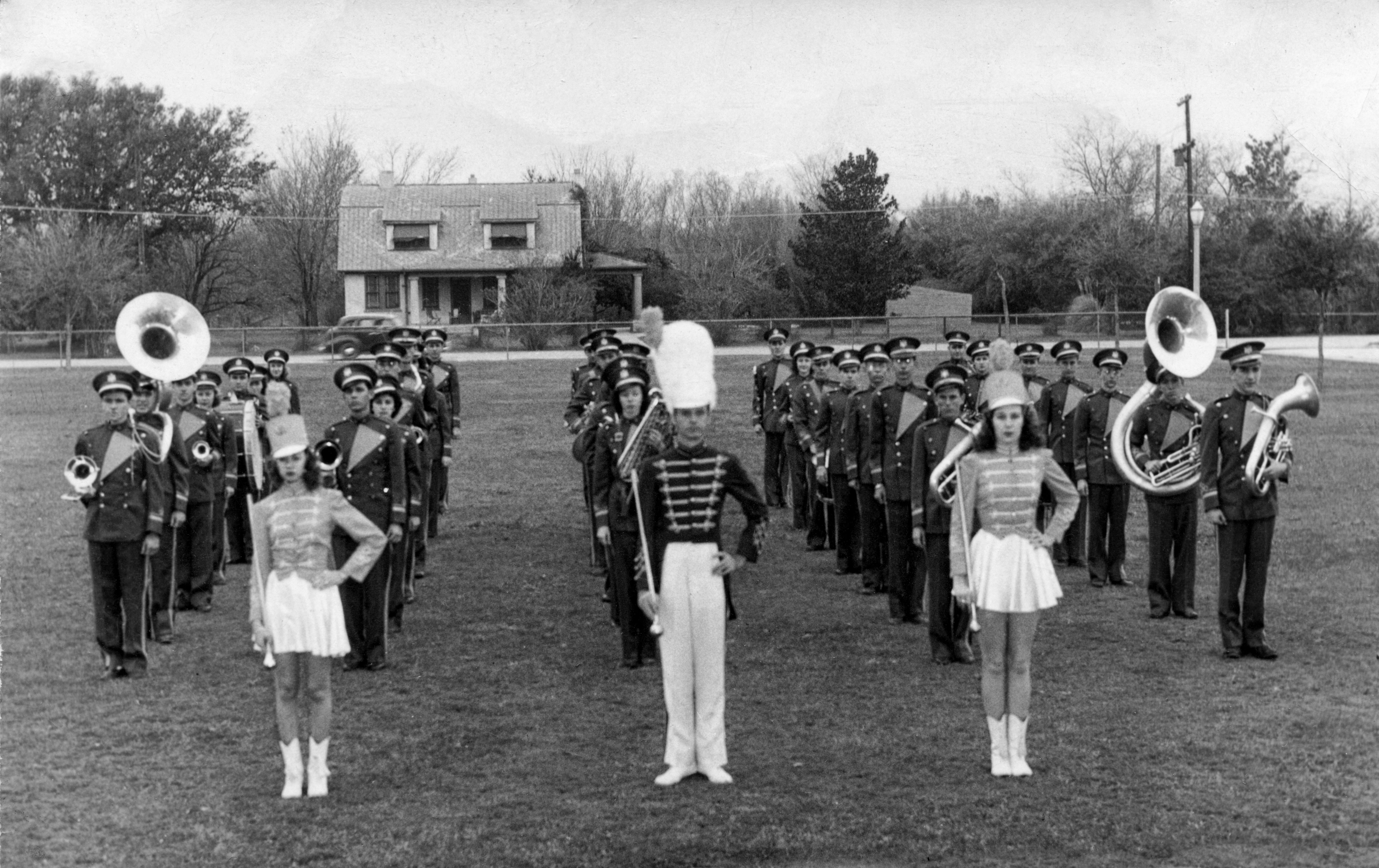


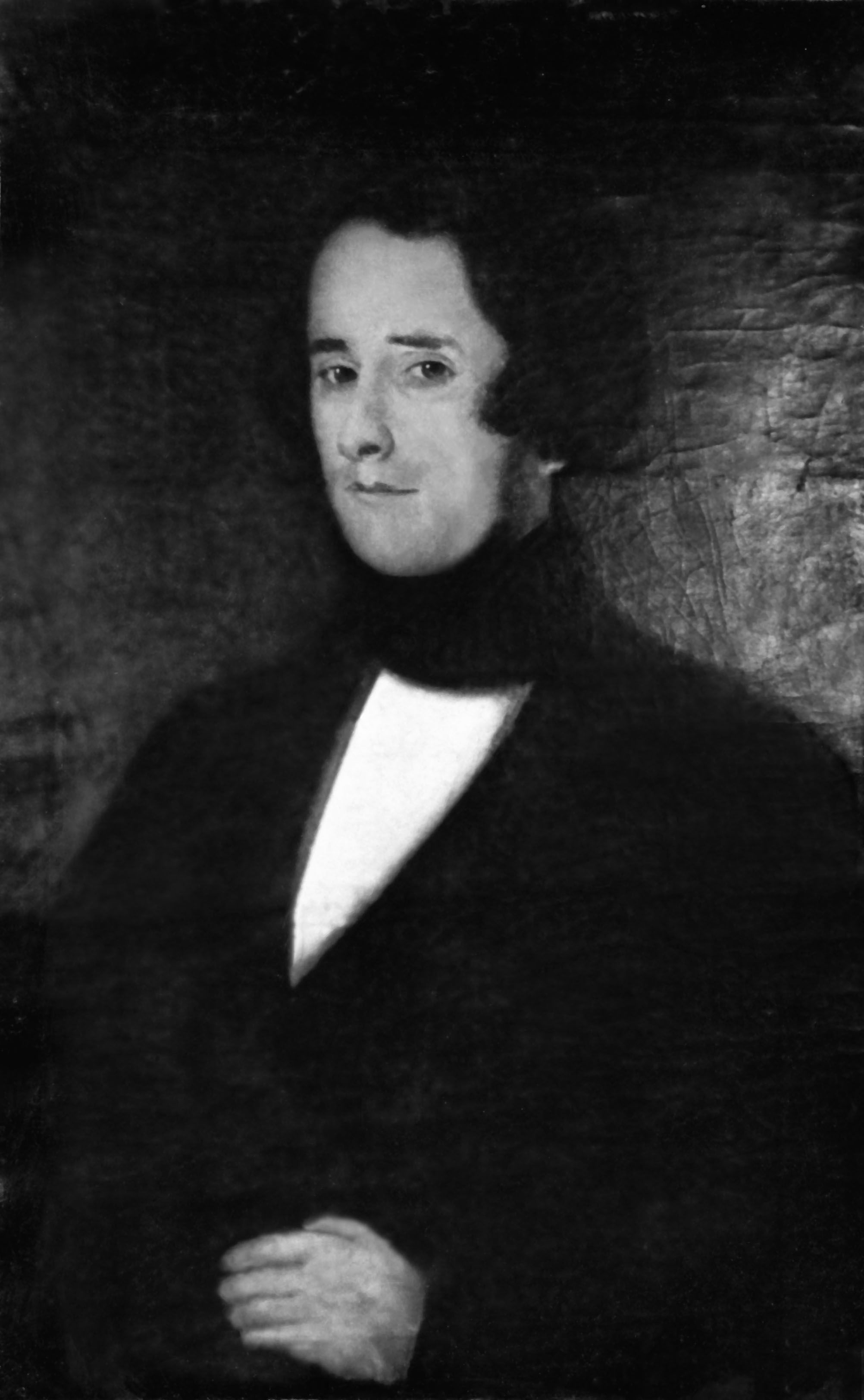
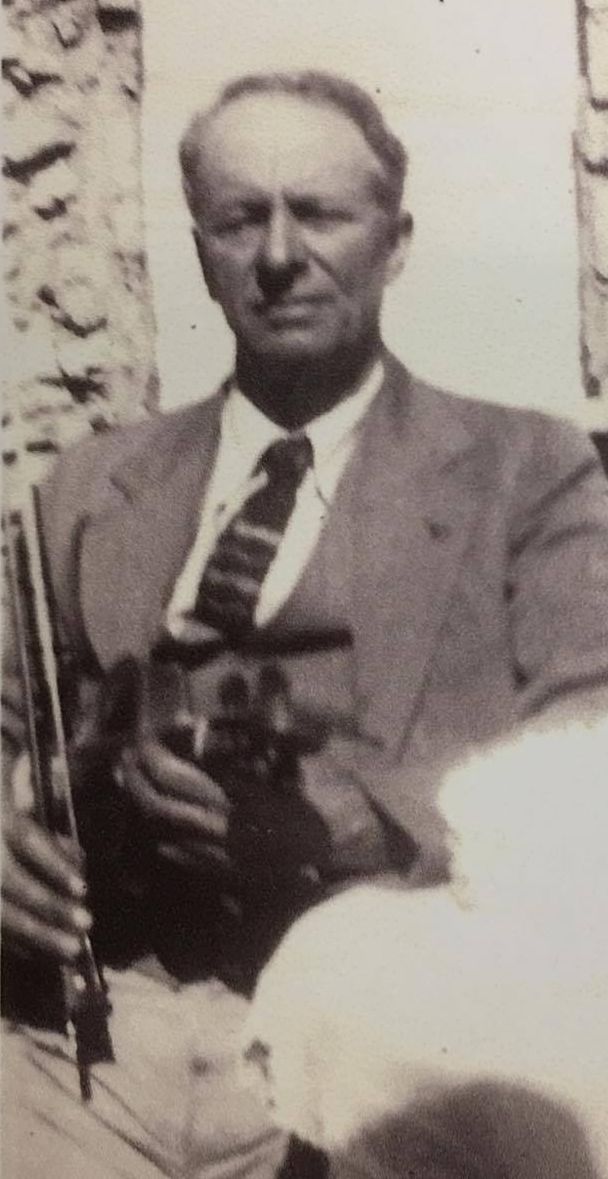
 Here is a photo of me with Papi when I was three years old. It sure does look like he may have been singing in my ear! He assured me that he was singing the “Yo! Ho!” song to me. “What?” I asked, “That song wasn’t written until our Reunions Adventure. This picture was taken way before that.”


