Trasimond the Tirailleur

Jean Trasimond Landry in 1861
I realized recently that I haven’t posted one of the oldest photos in my collection of old photos. It is a Civil War photo of my great great grandfather Trasimond Landry. He was my paternal grandmother’s maternal grandfather. And being that he was from the South, he was in the Confederate Army. The photo is dated as 1861. It’s a pretty clear photo considering how old it is.
I won’t talk about the politics of the Civil War. Oh, well, maybe just a little. Slavery is wrong. It is so hard for me to understand how people can treat their fellow human beings so cruelly. I hear things like, “But they treated them so nicely.” or “They kept the buildings they lived in nice and comfortable.” or “He really cherished him and left him a gold watch in his will.”
“Really?” I think, shaking my head. If you treated them so well, why weren’t we freed? If you liked the buildings so much, why don’t we trade? If you want to leave something, leave me my free will – worth innumerable gold watches compared to the life you stole from me. But I wasn’t there (thank goodness) and people are more enlightened now (hopefully).
So I’ll get back to talking about my great great grandfather, who grew up in a culture saturated with the slavery mentality. When he was born in 1839, his family had seven slaves on their property. The number increased continually until the time of the Civil War. In 1859 Trasimond went off to St. Joseph’s College in Bardstown, Kentucky, to finish his education. When that was completed in 1861, Trasimond then became part of the West Baton Rouge Tirailleurs. This group mustered into service of the 4th Louisiana Infantry Regiment. (For more information, see the book titled Tirailleurs by Thomas H. Richey, a cousin and fellow descendant of Trasimond.)
Trasimond fought in many battles during the war with people falling all around him. The story about his battles is very riveting. Fortunately for me and my relatives, he survived all of those perilous encounters. Of course all of us descend from survivors of famines, pestilence, and wars, but to read a book that describes the experience makes it a bit more personal.
After the war Trasimond married Amelie Bujol and they had five children together. In 1879 he was bitten by a mosquito. But not just any mosquito. This one carried the virus for the yellow fever. It proved fatal. To make it through musket fire, cannon shot, and slicing bayonets only to be taken down by a lowly mosquito. When the pesky bug bit him, he wouldn’t have known that it would be his downfall. Just the same, I hope he swatted it flat!
Feb. 26, 2021 – The website MyHeritage now has a feature that animates old photos. Of course I had to try it out on this old photo. It came out really well.


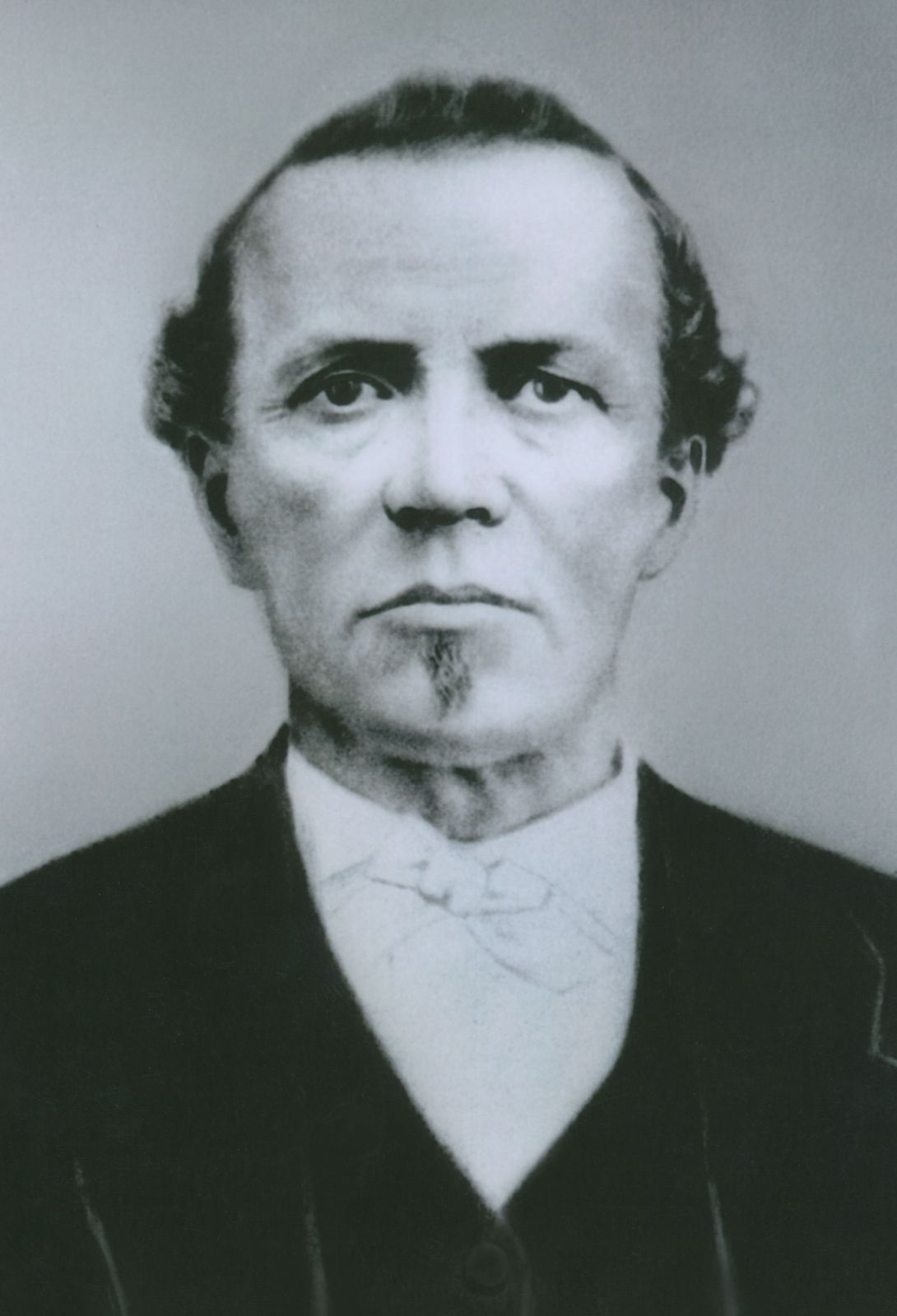
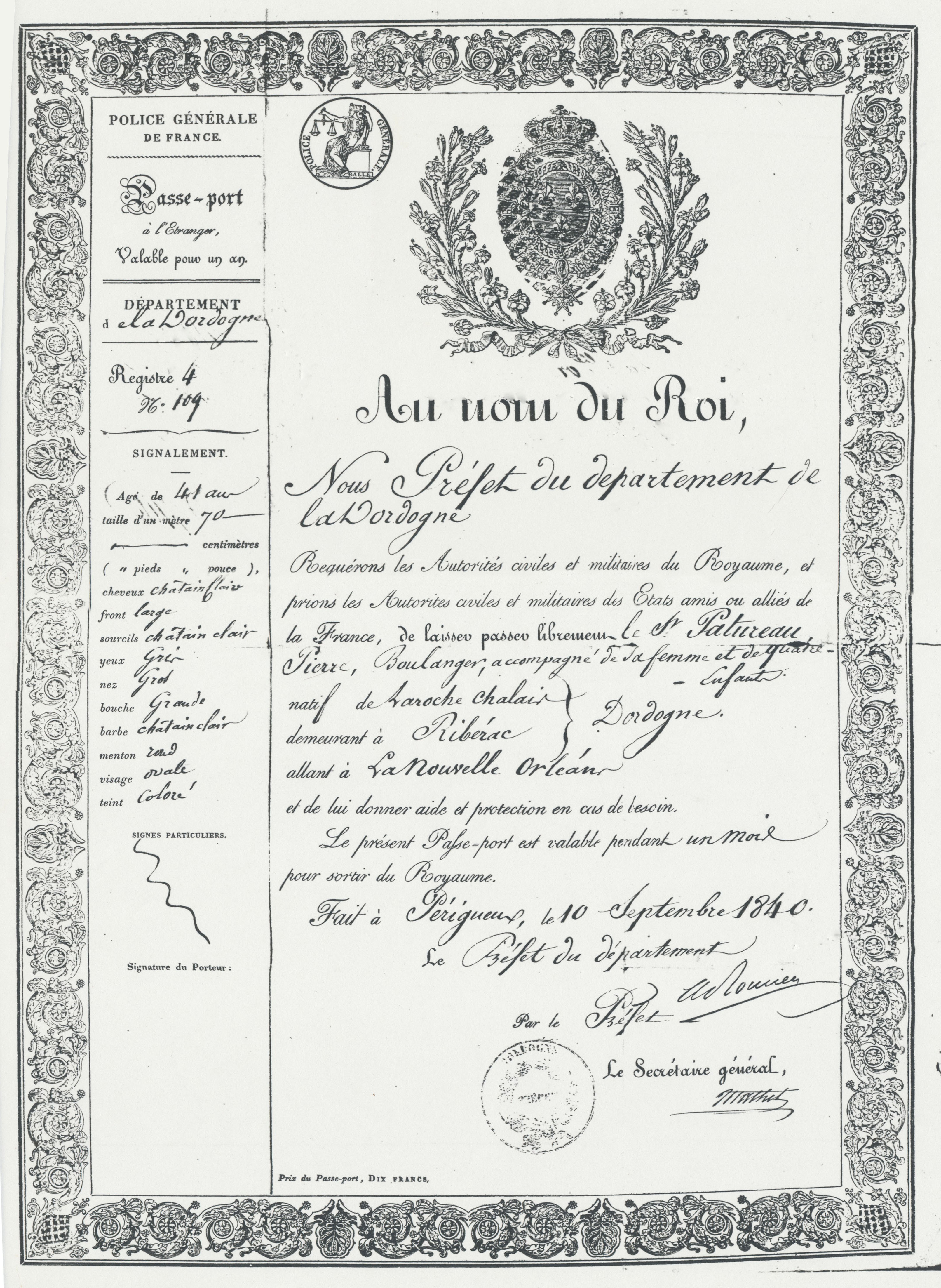
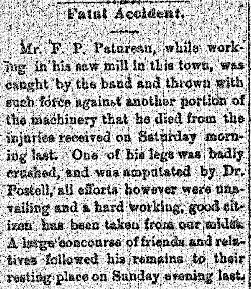 The Iberville South Newspaper, Plaquemine, LA., Saturday Morning , March 3, 1877, Vol. 1, No. 17 reads: Mr. F. P. Patureau, while working in his saw mill in this town, was caught by the band and thrown with such force against another portion of the machinery that he died from the injuries received on Saturday morning last. One of his legs was badly crushed, and was amputated by Dr. Postell, all efforts however were unavailing and a hard working, good citizen has been taken from our midst. A large concourse of friends and relatives followed his remains to their resting place on Sunday evening last. (end of transcription)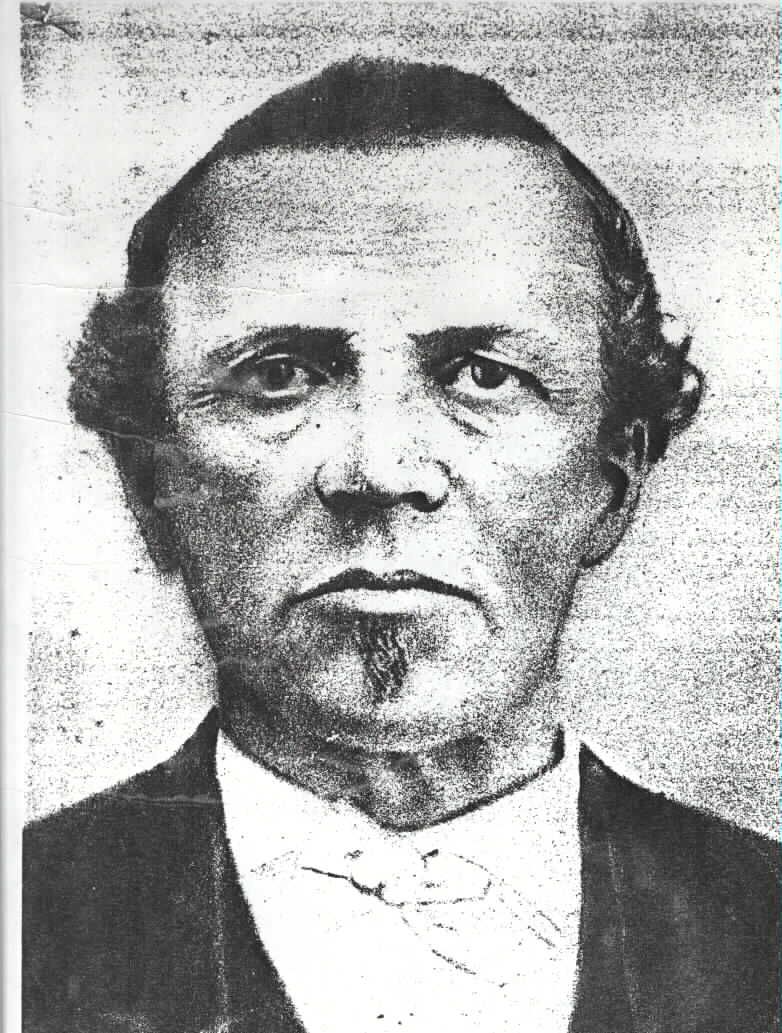




 A note about the photo. The first copy of this photo that I found was the one on the left. It’s not a very big file, it’s very yellowed, and it has spots all over it. But since it was all that I had, I worked on it and tried to make it look good. It still looked a bit rough.
 Thinking of my mom (Betty Lou Bucklin Landry) on her 83rd birthday. Called earlier today and wished her a happy birthday. Then later I came across some old negatives and found this photo that I don’t ever remember seeing before. I think is from March of 1953, which was in her first year of marriage. She looks so happy to be in her very own kitchen. She gave birth to her first child seven months later.